

Are we dying to live? Or living to die?
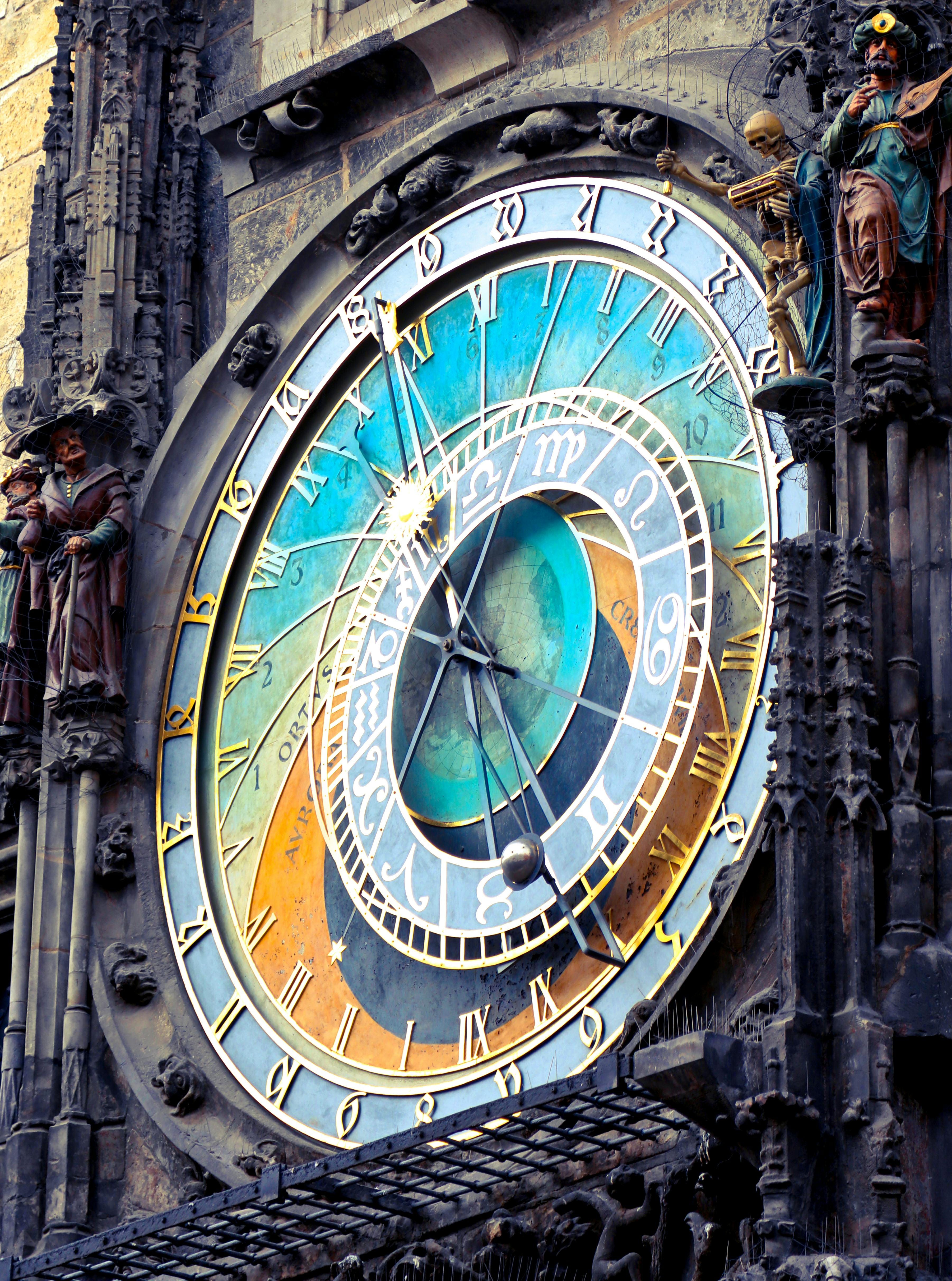
I wonder this as I’m killing time waiting to board a plane.
Any murder of minutes seems like a proxy vote for dying, only to be reborn when the conditions are right—maximal excitement, minimal suffering.
I watch two people get rolled down the jetway in wheelchairs. Are they eagerly anticipating the flight? The lackluster satchel of pretzels and a seat-back that never quite seems to match the contours of your back—or anyone’s, for that matter.
Or are these two simply killing time until the flight is over? Wishing they could snap their fingers and arrive, the suffering of air travel bypassed entirely?
I should have asked. But I didn’t. That would have been too unlike me, and I was pretty damn comfortable being myself.
Time-Traveling Creatures
“Boarding groups four through six,” the attendant blared on the intercom.
“It’s our time to travel, buddy,” I motioned to Asher, gesturing toward the gate. Time-traveling creatures, we are. (I’m channeling my inner Yoda.)
Although my body was physically present, fumbling for our boarding passes, mentally I was already in flight, blasting through imagined futures and remembered pasts.
I caught myself inhabiting a land a few hours ahead—a common place my mind likes to dwell. It’s a familiar land. Protective. Simulating safety.
I should at least be racking up miles for all this time-travel, no?
By now, I feel entitled to a first-class trip to any possible future.
Snack Time?
I can feel Asher tugging on my arm. “Is it time for snacks?”
Good question, little man. Good question.
“I don’t think it’s time yet.”
Was I killing time by forcing him to wait? Or was I teaching a valuable lesson in delayed gratification?
Are the two not the same?
The Paradox of Time
The Time Paradox—I read it years ago, and it clearly implanted its tendrils into my mind (a sign of a good book, perhaps). The idea is simple: we all exist in three times: Past, Present, and Future. For each of those time zones, we can take a positive outlook or a negative one. A positive past: fond nostalgia for what was. A negative past: regret, remorse, and rumination for what could have been.
Finding the Sweet Spot
The author suggests there’s a “sweet spot”: most of your time in the present moment, sprinkled with positive past and positive future (hopeful optimism for what’s to come). Too much in any one time zone robs you of enjoying time in the others. For this reason, understanding our default “time perspective” profoundly shapes our lives, decisions, and happiness—yet we rarely assess our time-traveling settings.
The question becomes: how do we reclaim the past, enjoy the present, and fall hopefully into the future without getting stuck in “mental time loops” that keep us worrying about troubles that may never happen?
The Toddler’s Answer
We can like things and do things automatically without thinking about the future—without thinking at all. But does this “in the moment” way of living prevent us from living intentionally? From growing towards some meaningful goal? From achieving?
I look at my almost-three-year-old; surely he would have the answer. In fact, he was the answer.
If he remained in his precious state of curiously chaotic present-moment playfulness with little care for the future or past, where would he end up? At a Nobel Prize award ceremony or on a sweaty dancefloor in Ibiza?
Stockholm or Ibiza?
I see my judgment of what makes a life meaningful. Who gets to decide what is worth living for?
Surely, we put the Nobel Prize on a pedestal of “exemplary work; beneficial for humanity,” while letting our bodymind gyrate to house music into the crepuscular darkness seems “less worthy” of praise.
Personally, I’d like to do both.
Perhaps it’s time to book a ticket—a mental vacation to island hedonism. I pull out my Spotify to look for a good DJ playlist.
Maybe I can stop over in Stockholm to pick up an award? Miles, baby. All miles.
The Present Moment Is Calling
“Dad, is it time for snacks now?”
“Yes, I think it’s time.”
Actually, I know it’s time.
The present moment is calling.